Buy business-talent.com ?
We are moving the project
business-talent.com .
Are you interested in purchasing the domain
business-talent.com ?
domain@kv-gmbh.de · 0541-91531010
Buy business-talent.com ?
What is cultural relativism?
Cultural relativism is the idea that a person's beliefs, values, and practices should be understood based on that person's own culture, rather than being judged against the criteria of another culture. It suggests that there is no universal standard for what is right or wrong, and that different cultures have their own unique ways of understanding and interpreting the world. Cultural relativism encourages people to approach other cultures with an open mind and to try to understand them within their own cultural context, rather than imposing one's own cultural values and beliefs onto others. **
What is the explanation for relativism?
Relativism is the belief that truth and morality are not absolute, but are instead relative to the individual, culture, or historical context. This means that what is considered true or moral can vary from person to person or society to society. Relativism is often explained as a response to the diversity of beliefs and values across different cultures and historical periods, and the recognition that there is no single, objective standard for truth or morality. It also reflects a skepticism towards claims of absolute truth or moral superiority, and a recognition of the influence of subjective experiences and cultural influences on our understanding of truth and morality. **
Similar search terms for Relativism
Top-Angebote
Products related to Relativism:
-
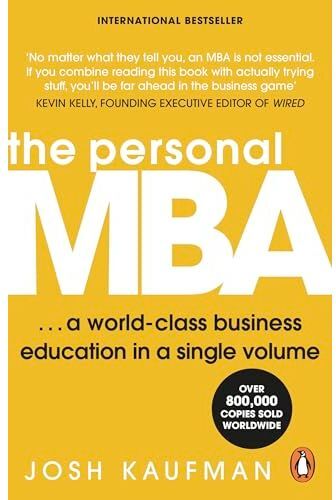
Penguin The Personal MBA: The bestselling business book containing you everything you need to know about marketing, management and leadershipARE YOU TEMPTED TO GO TO BUSINESS SCHOOL? SAVE YOUR MONEY AND READ THE PERSONAL MBA INSTEAD. This bestselling business classic gives you everything you need to transform your business and your career. An MBA at a top business school is an enormous investment in time and cash. And if you don't want to work for a consulting firm or an investment bank, the chances are it simply isn't worth it. The Personal MBA gives you simple mental models for every subject that's key to commercial success. From the basics of products and marketing to the nuances of teamwork and systems, this book distils everything you need to know to take on the MBA graduates and win.10,99 £*Shipping: 2,99 £Secure redirect to the provider
-
Classic Editions The Complete Art of War – 8 Book Hardback Box Set Sun Tzu & Ancient Chinese Military Strategy Classics Leadership, Warfare & Strategy CollectionExplore centuries of strategic thinking with The Complete Art of War – 8 Books Collection Hardback Box Set, an impressive collection of classical Chinese writings on warfare, leadership, tactics and strategy. Bringing together influential works from ancient Chinese military thought, this hardback collection includes titles such as The Art of War, Methods of the Sima, Wuzi, Wei Liaozi, Three Strategies of Huang Shigong, and Six Secret Teachings of Taigong, alongside additional works included in the eight-volume set. These enduring texts examine subjects including leadership, planning, discipline, intelligence, diplomacy, battlefield tactics and strategic decision-making. Although written in the context of ancient warfare, many of their principles have subsequently attracted readers interested in history, leadership and strategic thinking. Presented as an 8-volume hardback boxed collection, the set is ideal for readers of military history, students of classical philosophy and collectors of beautifully presented classic works. Why Readers Will Love This Collection Includes 8 hardback volumes in a collectible box set Features influential works of ancient Chinese military strategy Explores strategy, leadership, tactics and decision-making Excellent addition to military history and philosophy collections Attractive hardback format for a home or study library Ideal gift for history, strategy and classic literature enthusiasts The Complete Art of War 8 Book Collection brings together some of history's most enduring works on strategy in one impressive hardback set. Titles In This Set: Notebook Questions and Replies Three Strategies of Huang Shigong Wuzi Wei Liaozi The Methods of The Sima Six Secret Teachings of Taigong The Art of War16,99 £*Shipping: 2,99 £Secure redirect to the provider
-
Pan Macmillan Radical Candor by Kim Scott The Bestselling Leadership Book - Management, Feedback & Workplace Culture BookRadical Candor by Kim Scott is a groundbreaking leadership and communication guide that teaches how to give feedback effectively, build trust, and create high-performing teams without becoming harsh—or avoiding difficult conversations. Based on Scott’s experience at Google, Apple and Silicon Valley startups, Radical Candor introduces a simple but powerful framework built on two pillars: Care Personally Challenge Directly The book provides practical tools for giving honest feedback, fostering open communication, strengthening working relationships, and becoming a more compassionate and impactful leader. Perfect for managers, team leaders, HR professionals, and anyone wanting to build a healthy, productive workplace culture. Radical Candor is the perfect handbook for those who are looking to find meaning in their job and create an environment where people love both their work and their colleagues, and are motivated to strive to ever greater success.2,99 £*Shipping: 1,99 £Secure redirect to the provider
-
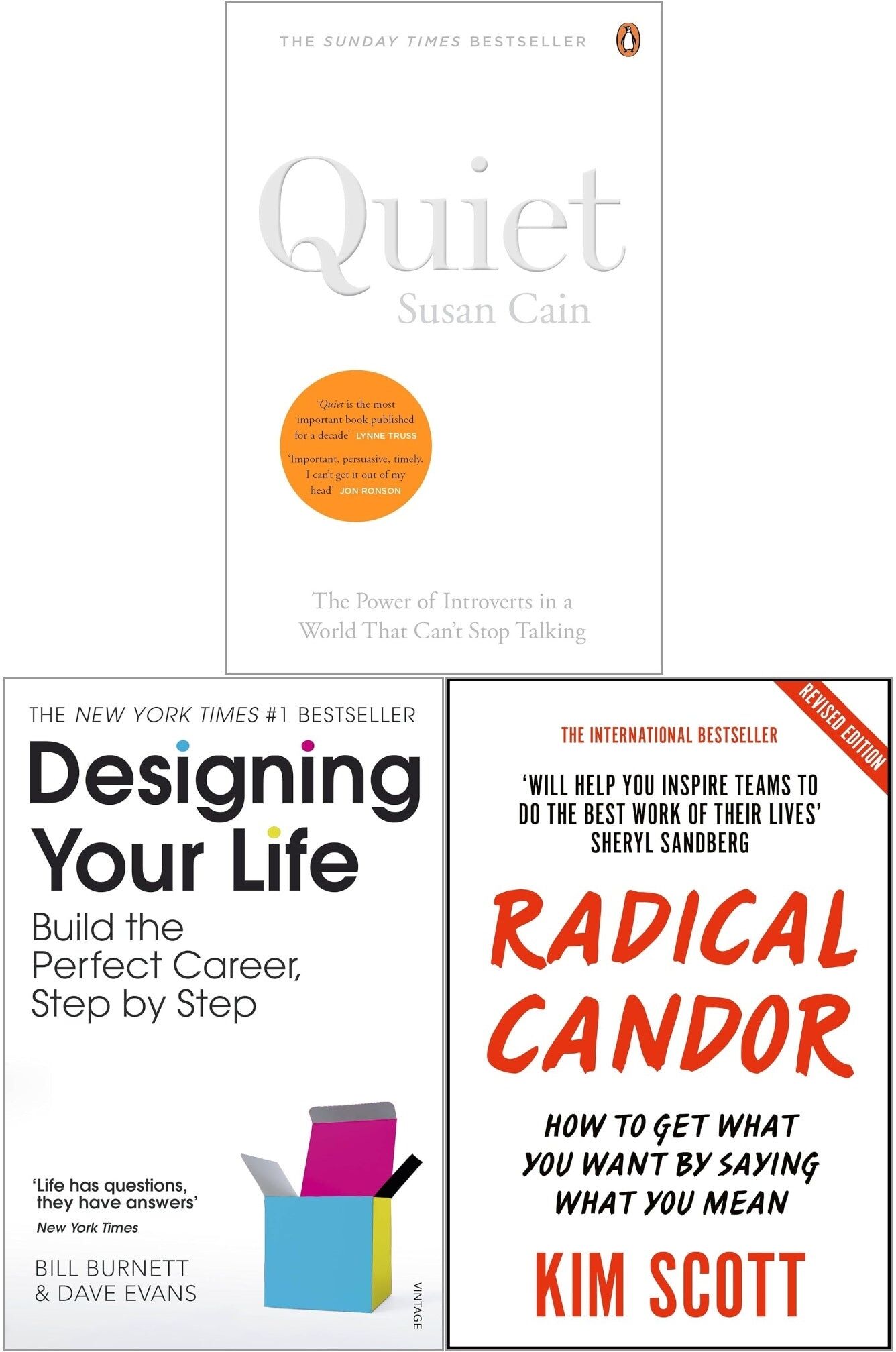
Penguin/Pan Macmillan Designing Your Life, Radical Candor and Quiet 3 Books Collection Set Personal Development, Leadership, Career Success & Self ImprovementDesigning Your Life, Radical Candor and Quiet 3 Books Collection Set Designing Your Life by Bill Burnett & Dave Evans Stanford innovators Bill Burnett and Dave Evans show us how design thinking can help us create a life that is both meaningful and fulfilling, regardless of who and where we are, our careers and our age. Designing Your Life puts forward the idea that the same design thinking responsible for amazing technology, products and spaces can be used to build towards a better life and career by a design of your own making. Radical Candor by Kim Scott Radical Candor by Kim Scott is a groundbreaking leadership and communication guide that teaches how to give feedback effectively, build trust, and create high-performing teams without becoming harsh—or avoiding difficult conversations. Based on Scott’s experience at Google, Apple and Silicon Valley startups, Radical Candor introduces a simple but powerful framework built on two pillars: Care Personally Challenge Directly The book provides practical tools for giving honest feedback, fostering open communication, strengthening working relationships, and becoming a more compassionate and impactful leader. Quiet by Susan Cain Quiet, the Sunday Times and New York Times Bestseller by Susan Cain, will permanently change how we see introverts - and how you see yourself. Our lives are driven by a fact most of us cant name and dont understand: whether were an introvert or an extrovert. This defines who our friends and lovers are, which careers we choose, and whether we blush when were embarrassed. At least a third of us are on the introverted side. Some of the worlds most talented people are introverts. Without them, we wouldnt have the Apple computer, the theory of relativity and Van Goghs sunflowers.16,99 £*Shipping: 2,99 £Secure redirect to the provider


-
How does cultural relativism influence coexistence?
Cultural relativism influences coexistence by promoting understanding and acceptance of different cultural practices and beliefs. It encourages individuals to recognize that there are diverse ways of living and thinking, and that no one culture is superior to another. This mindset can lead to greater tolerance and respect for others, ultimately fostering peaceful coexistence among people from different cultural backgrounds. By embracing cultural relativism, individuals can work towards building a more inclusive and harmonious society where diversity is celebrated. **
-
What is the difference between universalism and relativism?
Universalism is the belief that there are universal moral principles that apply to all people, regardless of their cultural or societal context. It holds that there are objective standards of right and wrong that are applicable to all individuals. On the other hand, relativism is the belief that moral principles are not universal and that they vary depending on the cultural, societal, or individual context. Relativism holds that what is considered right or wrong is subjective and can differ from one culture or society to another. **
-
What is the difference between relativism and universalism philosophy?
Relativism is the belief that truth, morality, or knowledge is relative and not absolute, varying from person to person or culture to culture. It suggests that there are no universal truths or values. On the other hand, universalism is the belief that certain principles, values, or truths are applicable to all people, regardless of their cultural or individual differences. Universalism asserts that there are objective truths that hold true for everyone. In essence, relativism emphasizes diversity and subjectivity, while universalism emphasizes commonality and objectivity. **
-
What is the difference between relativism and naive realism?
Relativism is the belief that truth and morality are relative and can vary depending on individual perspectives or cultural norms. It acknowledges that there is no absolute truth or moral standard. Naive realism, on the other hand, is the belief that our perceptions and interpretations of the world directly represent reality as it is, without any bias or distortion. Naive realism assumes that our understanding of the world is accurate and objective, while relativism recognizes the subjectivity and variability of truth and morality. **

What are the advantages and disadvantages of cultural relativism?
Cultural relativism allows for a greater understanding and appreciation of different cultures, as it encourages individuals to view cultural practices and beliefs within their own context. This can lead to increased tolerance and respect for diversity. However, cultural relativism can also lead to moral and ethical relativism, where individuals may struggle to make judgments about practices that may be harmful or oppressive. Additionally, it can be challenging to find common ground on certain issues when there is a belief that all cultural practices are equally valid. **
What are the arguments for and against cultural relativism?
Cultural relativism argues that each culture should be understood and judged within the context of its own values and beliefs, rather than being compared to the values of another culture. Proponents of cultural relativism argue that it promotes tolerance, understanding, and respect for diverse cultures, and helps to avoid ethnocentrism and cultural imperialism. However, critics argue that cultural relativism can lead to moral relativism, where all cultural practices are considered equally valid, even if they conflict with universal human rights. They also argue that it can hinder social progress and change by justifying harmful cultural practices. **
Top-Angebote
Products related to Relativism:
-
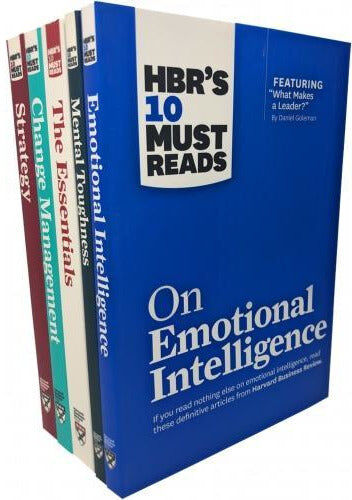
Harvard Business Review Press Harvard Business Review HBR’s 10 Must Reads 5 Book Collection Set – Essential Business, Leadership & Management GuidesHBR's 10 Must Reads 5 Books Collection Set Description On Emotional Intelligence If you read nothing else on emotional intelligence; read these 10 articles by experts in the field. We euro; ve combed through hundreds of articles in the Harvard Business Review archive and selected the most important ones to help you boost your emotional skills euro; and your professional success. Mental Toughness If you read nothing else on mental toughness; read these ten articles by experts in the field. We've combed through hundreds of articles in the Harvard Business Review archive and selected the most important ones to help you build your emotional strength and resilience--and to achieve high performance. The Essentials Change is the one constant in business; and we must adapt or face obsolescence. Yet certain challenges never go away. That's what makes this book 'must read.' These are the 10 seminal articles by management's most influential experts; on topics of perennial concern to ambitious managers and leaders hungry for inspiration--and ready to run with big ideas to accelerate their own and their companies' success. Change Management If you read nothing else on change management; read these 10 articles (featuring 'Leading Change; euro; by John P. Kotter). We've combed through hundreds of Harvard Business Review articles and selected the most important ones to help you spearhead change in your organization. Strategy If you read nothing else on strategy; read these 10 articles (featuring 'What Is Strategy? euro; by Michael E. Porter). We've combed through hundreds of Harvard Business Review articles and selected the most important ones to help you catalyze your organization's strategy development and execution.37,98 £*Shipping: 0,00 £Secure redirect to the provider
-
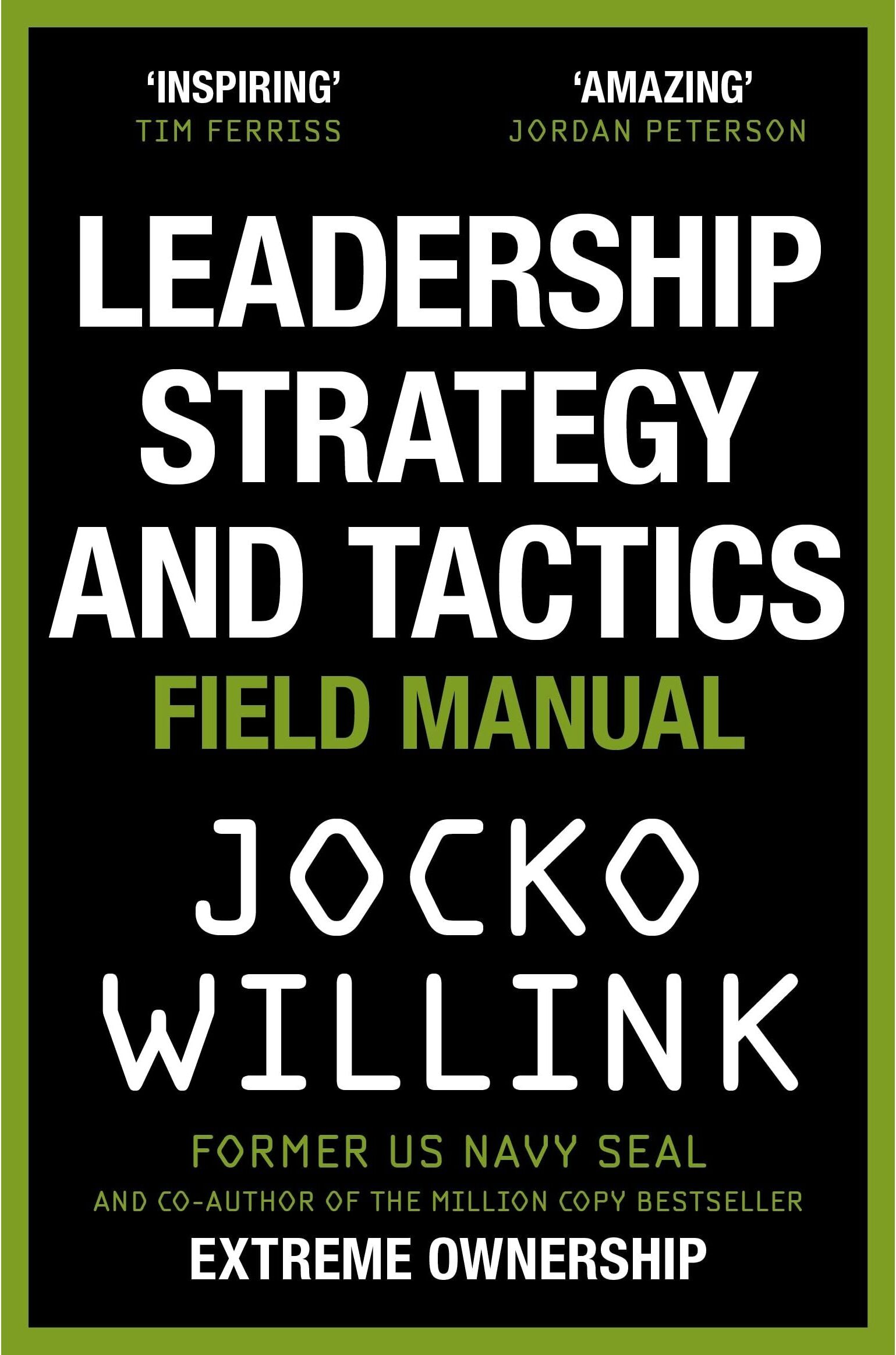
MACMILLAN Leadership Strategy and Tactics: Learn to Lead Like a Navy SEALLeadership is the most challenging of human endeavours. It is often misunderstood. It can bewilder, mystify and frustrate even the most dedicated practitioners. Leaders at all levels are often forced to use theoretical guesswork to make decisions and lead their troops. It doesn’t have to be that way. There are principles that can be applied and tenets that can be followed. There are skills that can be learned and manoeuvres that can be practised and executed. There are leadership strategies and tactics that have been tested and proven on the battlefield, in business and in life. Retired Navy SEAL Officer Jocko Willink delivers his powerful and pragmatic leadership methodology that teaches how to lead any team in any situation to victory. Here, you will learn how to: * Deal with egos and the problems they cause * Earn and build trust with both your subordinates and superiors * Instil pride in your team, without creating arrogance * Overcome challenges presented by a micromanaging, indecisive or weak boss * Create a disciplined team that regulates itself * Use leadership as a tool to teach, mentor, train and correct behaviour of team members * Operate at a maximum level of efficiency – and reap the rewards . . . and more. This book is step one towards becoming the commander of your own life. The rest is up to you.8,99 £*Shipping: 2,99 £Secure redirect to the provider
-
Penguin The Personal MBA: The bestselling business book containing you everything you need to know about marketing, management and leadershipARE YOU TEMPTED TO GO TO BUSINESS SCHOOL? SAVE YOUR MONEY AND READ THE PERSONAL MBA INSTEAD. This bestselling business classic gives you everything you need to transform your business and your career. An MBA at a top business school is an enormous investment in time and cash. And if you don't want to work for a consulting firm or an investment bank, the chances are it simply isn't worth it. The Personal MBA gives you simple mental models for every subject that's key to commercial success. From the basics of products and marketing to the nuances of teamwork and systems, this book distils everything you need to know to take on the MBA graduates and win.10,99 £*Shipping: 2,99 £Secure redirect to the provider
-
Classic Editions The Complete Art of War – 8 Book Hardback Box Set Sun Tzu & Ancient Chinese Military Strategy Classics Leadership, Warfare & Strategy CollectionExplore centuries of strategic thinking with The Complete Art of War – 8 Books Collection Hardback Box Set, an impressive collection of classical Chinese writings on warfare, leadership, tactics and strategy. Bringing together influential works from ancient Chinese military thought, this hardback collection includes titles such as The Art of War, Methods of the Sima, Wuzi, Wei Liaozi, Three Strategies of Huang Shigong, and Six Secret Teachings of Taigong, alongside additional works included in the eight-volume set. These enduring texts examine subjects including leadership, planning, discipline, intelligence, diplomacy, battlefield tactics and strategic decision-making. Although written in the context of ancient warfare, many of their principles have subsequently attracted readers interested in history, leadership and strategic thinking. Presented as an 8-volume hardback boxed collection, the set is ideal for readers of military history, students of classical philosophy and collectors of beautifully presented classic works. Why Readers Will Love This Collection Includes 8 hardback volumes in a collectible box set Features influential works of ancient Chinese military strategy Explores strategy, leadership, tactics and decision-making Excellent addition to military history and philosophy collections Attractive hardback format for a home or study library Ideal gift for history, strategy and classic literature enthusiasts The Complete Art of War 8 Book Collection brings together some of history's most enduring works on strategy in one impressive hardback set. Titles In This Set: Notebook Questions and Replies Three Strategies of Huang Shigong Wuzi Wei Liaozi The Methods of The Sima Six Secret Teachings of Taigong The Art of War16,99 £*Shipping: 2,99 £Secure redirect to the provider
-
What is cultural relativism?
Cultural relativism is the idea that a person's beliefs, values, and practices should be understood based on that person's own culture, rather than being judged against the criteria of another culture. It suggests that there is no universal standard for what is right or wrong, and that different cultures have their own unique ways of understanding and interpreting the world. Cultural relativism encourages people to approach other cultures with an open mind and to try to understand them within their own cultural context, rather than imposing one's own cultural values and beliefs onto others. **
-
What is the explanation for relativism?
Relativism is the belief that truth and morality are not absolute, but are instead relative to the individual, culture, or historical context. This means that what is considered true or moral can vary from person to person or society to society. Relativism is often explained as a response to the diversity of beliefs and values across different cultures and historical periods, and the recognition that there is no single, objective standard for truth or morality. It also reflects a skepticism towards claims of absolute truth or moral superiority, and a recognition of the influence of subjective experiences and cultural influences on our understanding of truth and morality. **
-
How does cultural relativism influence coexistence?
Cultural relativism influences coexistence by promoting understanding and acceptance of different cultural practices and beliefs. It encourages individuals to recognize that there are diverse ways of living and thinking, and that no one culture is superior to another. This mindset can lead to greater tolerance and respect for others, ultimately fostering peaceful coexistence among people from different cultural backgrounds. By embracing cultural relativism, individuals can work towards building a more inclusive and harmonious society where diversity is celebrated. **
-
What is the difference between universalism and relativism?
Universalism is the belief that there are universal moral principles that apply to all people, regardless of their cultural or societal context. It holds that there are objective standards of right and wrong that are applicable to all individuals. On the other hand, relativism is the belief that moral principles are not universal and that they vary depending on the cultural, societal, or individual context. Relativism holds that what is considered right or wrong is subjective and can differ from one culture or society to another. **
Similar search terms for Relativism
-
Pan Macmillan Radical Candor by Kim Scott The Bestselling Leadership Book - Management, Feedback & Workplace Culture BookRadical Candor by Kim Scott is a groundbreaking leadership and communication guide that teaches how to give feedback effectively, build trust, and create high-performing teams without becoming harsh—or avoiding difficult conversations. Based on Scott’s experience at Google, Apple and Silicon Valley startups, Radical Candor introduces a simple but powerful framework built on two pillars: Care Personally Challenge Directly The book provides practical tools for giving honest feedback, fostering open communication, strengthening working relationships, and becoming a more compassionate and impactful leader. Perfect for managers, team leaders, HR professionals, and anyone wanting to build a healthy, productive workplace culture. Radical Candor is the perfect handbook for those who are looking to find meaning in their job and create an environment where people love both their work and their colleagues, and are motivated to strive to ever greater success.2,99 £*Shipping: 1,99 £Secure redirect to the provider
-
Penguin/Pan Macmillan Designing Your Life, Radical Candor and Quiet 3 Books Collection Set Personal Development, Leadership, Career Success & Self ImprovementDesigning Your Life, Radical Candor and Quiet 3 Books Collection Set Designing Your Life by Bill Burnett & Dave Evans Stanford innovators Bill Burnett and Dave Evans show us how design thinking can help us create a life that is both meaningful and fulfilling, regardless of who and where we are, our careers and our age. Designing Your Life puts forward the idea that the same design thinking responsible for amazing technology, products and spaces can be used to build towards a better life and career by a design of your own making. Radical Candor by Kim Scott Radical Candor by Kim Scott is a groundbreaking leadership and communication guide that teaches how to give feedback effectively, build trust, and create high-performing teams without becoming harsh—or avoiding difficult conversations. Based on Scott’s experience at Google, Apple and Silicon Valley startups, Radical Candor introduces a simple but powerful framework built on two pillars: Care Personally Challenge Directly The book provides practical tools for giving honest feedback, fostering open communication, strengthening working relationships, and becoming a more compassionate and impactful leader. Quiet by Susan Cain Quiet, the Sunday Times and New York Times Bestseller by Susan Cain, will permanently change how we see introverts - and how you see yourself. Our lives are driven by a fact most of us cant name and dont understand: whether were an introvert or an extrovert. This defines who our friends and lovers are, which careers we choose, and whether we blush when were embarrassed. At least a third of us are on the introverted side. Some of the worlds most talented people are introverts. Without them, we wouldnt have the Apple computer, the theory of relativity and Van Goghs sunflowers.16,99 £*Shipping: 2,99 £Secure redirect to the provider
-
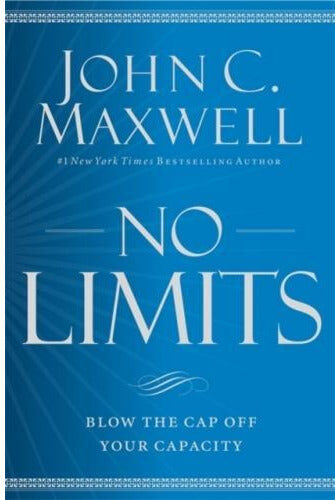
Little Brown Book Group No Limits: Blow the Cap Off Your Capacity by John C. Maxwell – Personal Growth & Leadership Development GuideNo Limits: Blow the CAP Off Your Capacity Description We often treat the word capacity as if it were a natural law of limitation. Unfortunately; most of us are much more comfortable defining what we perceive is off limits rather than what's possible. Could it be that many people have allowed what they perceive as capacity to define them? Have they allowed their perception to limit their attitudes about their potential? In his newest book; John Maxwell identifies 17 core capacities. Some of these are abilities we all already possess; such as energy; creativity and leadership. Others are aspects of our lives controlled by our choices; like our attitudes; character; and intentionality. Maxwell examines each of these 17 capacities; and provides clear and actionable advice on how you can increase your potential in each. He will guide you on how to identify; grow; and apply your critical capacities to your daily life. Once you've blown the 'cap' off your capacities; you'll find yourself more successful--and fulfilled--in your daily life.5,99 £*Shipping: 2,99 £Secure redirect to the provider
-
Harper Business Tribal Leadership by Dave Logan, John King & Halee Fischer-Wright – Build a Thriving OrganizationTribal Leadership: Leveraging Natural Groups to Build a Thriving Organization In "Tribal Leadership", management consultants Dave Logan and John King show corporate leaders how they can use tribes - the groups that naturally form within any company - to maximize productivity and profit within their own firms. Based on a rigorous eight-year study that covered more than two dozen companies and 24,000 people, "Tribal Leadership" includes interviews with leading business figures such as Brian France, chairman and CEO of NASCAR, and Dilbert creator Scott Adams, and shows leaders from companies of any size and of any industry that the health and success of their firms ultimately depend on the hundreds of tribes within.2,99 £*Shipping: 1,99 £Secure redirect to the provider
-
What is the difference between relativism and universalism philosophy?
Relativism is the belief that truth, morality, or knowledge is relative and not absolute, varying from person to person or culture to culture. It suggests that there are no universal truths or values. On the other hand, universalism is the belief that certain principles, values, or truths are applicable to all people, regardless of their cultural or individual differences. Universalism asserts that there are objective truths that hold true for everyone. In essence, relativism emphasizes diversity and subjectivity, while universalism emphasizes commonality and objectivity. **
-
What is the difference between relativism and naive realism?
Relativism is the belief that truth and morality are relative and can vary depending on individual perspectives or cultural norms. It acknowledges that there is no absolute truth or moral standard. Naive realism, on the other hand, is the belief that our perceptions and interpretations of the world directly represent reality as it is, without any bias or distortion. Naive realism assumes that our understanding of the world is accurate and objective, while relativism recognizes the subjectivity and variability of truth and morality. **
-
What are the advantages and disadvantages of cultural relativism?
Cultural relativism allows for a greater understanding and appreciation of different cultures, as it encourages individuals to view cultural practices and beliefs within their own context. This can lead to increased tolerance and respect for diversity. However, cultural relativism can also lead to moral and ethical relativism, where individuals may struggle to make judgments about practices that may be harmful or oppressive. Additionally, it can be challenging to find common ground on certain issues when there is a belief that all cultural practices are equally valid. **
-
What are the arguments for and against cultural relativism?
Cultural relativism argues that each culture should be understood and judged within the context of its own values and beliefs, rather than being compared to the values of another culture. Proponents of cultural relativism argue that it promotes tolerance, understanding, and respect for diverse cultures, and helps to avoid ethnocentrism and cultural imperialism. However, critics argue that cultural relativism can lead to moral relativism, where all cultural practices are considered equally valid, even if they conflict with universal human rights. They also argue that it can hinder social progress and change by justifying harmful cultural practices. **
* All prices are inclusive of VAT and, if applicable, plus shipping costs. The offer information is based on the details provided by the respective shop and is updated through automated processes. Real-time updates do not occur, so deviations can occur in individual cases. ** Note: Parts of this content were created by AI.