Buy business-talent.com ?
We are moving the project
business-talent.com .
Are you interested in purchasing the domain
business-talent.com ?
domain@kv-gmbh.de · 0541-91531010
Buy business-talent.com ?
How can I practice self-observation and self-reflection?
One way to practice self-observation and self-reflection is to set aside dedicated time each day for introspection. This could involve journaling about your thoughts and feelings, meditating to quiet the mind and focus on your inner self, or simply taking a few moments to pause and reflect on your experiences. It's also helpful to seek feedback from others and be open to constructive criticism, as this can provide valuable insights into your behaviors and patterns. Lastly, practicing mindfulness and being present in the moment can help you become more aware of your thoughts and actions, leading to a deeper understanding of yourself. **
How introspective are you in self-observation?
I am quite introspective in my self-observation. I regularly reflect on my thoughts, emotions, and behaviors to gain a deeper understanding of myself. I believe self-awareness is crucial for personal growth and development, so I make an effort to be mindful of my inner experiences. By being introspective, I am able to identify patterns, strengths, and areas for improvement in my life. **


Similar search terms for Self-observation
Top-Angebote
Products related to Self-observation:
-
Harvard Business Review Press Harvard Business Review HBR’s 10 Must Reads 5 Book Collection Set – Essential Business, Leadership & Management GuidesHBR's 10 Must Reads 5 Books Collection Set Description On Emotional Intelligence If you read nothing else on emotional intelligence; read these 10 articles by experts in the field. We euro; ve combed through hundreds of articles in the Harvard Business Review archive and selected the most important ones to help you boost your emotional skills euro; and your professional success. Mental Toughness If you read nothing else on mental toughness; read these ten articles by experts in the field. We've combed through hundreds of articles in the Harvard Business Review archive and selected the most important ones to help you build your emotional strength and resilience--and to achieve high performance. The Essentials Change is the one constant in business; and we must adapt or face obsolescence. Yet certain challenges never go away. That's what makes this book 'must read.' These are the 10 seminal articles by management's most influential experts; on topics of perennial concern to ambitious managers and leaders hungry for inspiration--and ready to run with big ideas to accelerate their own and their companies' success. Change Management If you read nothing else on change management; read these 10 articles (featuring 'Leading Change; euro; by John P. Kotter). We've combed through hundreds of Harvard Business Review articles and selected the most important ones to help you spearhead change in your organization. Strategy If you read nothing else on strategy; read these 10 articles (featuring 'What Is Strategy? euro; by Michael E. Porter). We've combed through hundreds of Harvard Business Review articles and selected the most important ones to help you catalyze your organization's strategy development and execution.37,98 £*Shipping: 0,00 £Secure redirect to the provider
-
On Spot Shop Professional Astronomical Telescope With Large Aperture Monoculars For Stargazing, Birds & Moon Observation Professional Astronomical Telescope With Large Aperture Monoculars For Stargazing, Birds & Moon ObservationUnlock the beauty of the night sky and distant landscapes with this astronomical telescope designed for curious explorers and nature lovers alike. Whether you're gazing at the moons craters or spotting birds from afar, this powerful high power...384,97 $*Shipping: 0,00 $Secure redirect to the provider
-
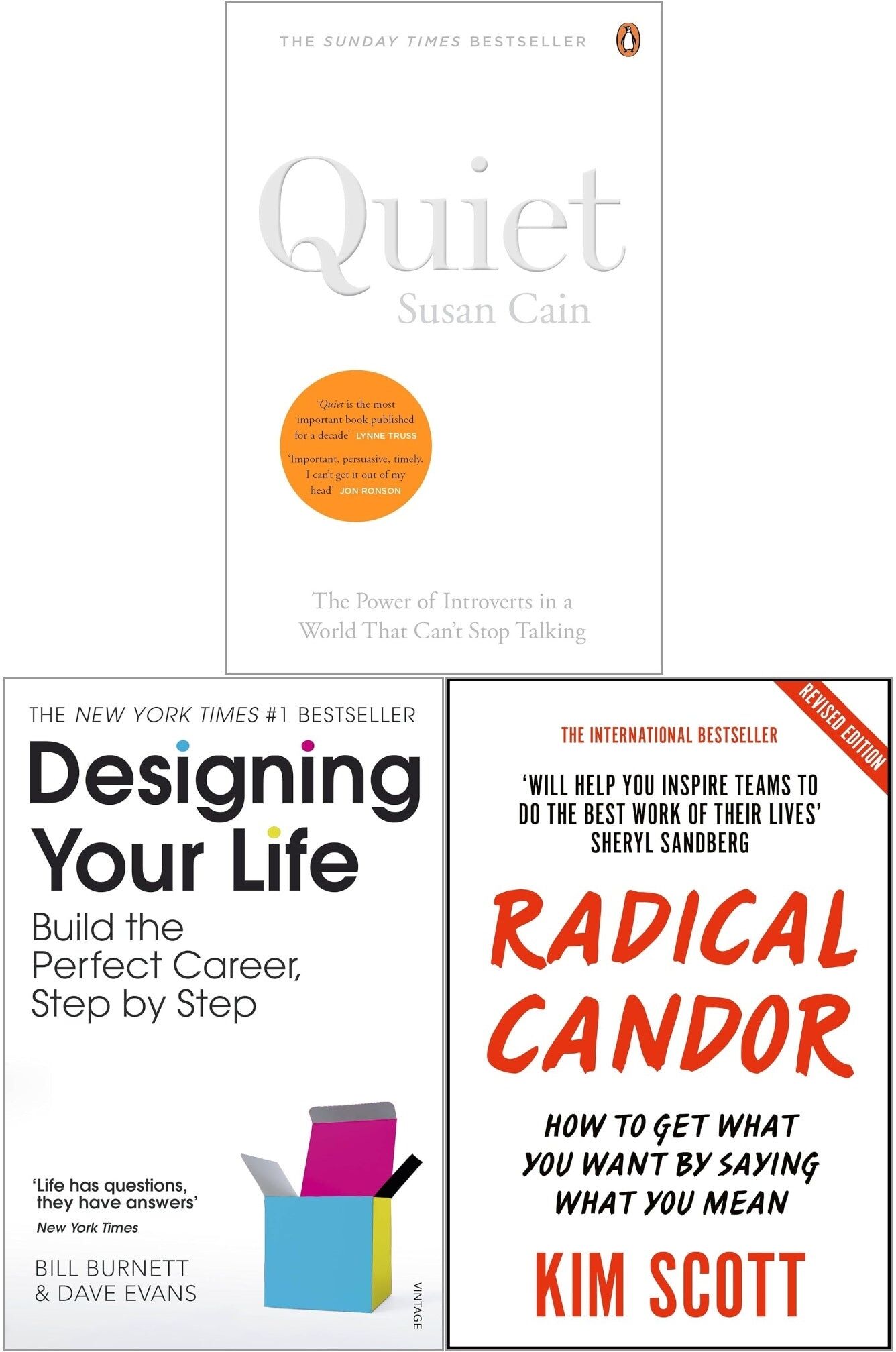
Penguin/Pan Macmillan Designing Your Life, Radical Candor and Quiet 3 Books Collection Set Personal Development, Leadership, Career Success & Self ImprovementDesigning Your Life, Radical Candor and Quiet 3 Books Collection Set Designing Your Life by Bill Burnett & Dave Evans Stanford innovators Bill Burnett and Dave Evans show us how design thinking can help us create a life that is both meaningful and fulfilling, regardless of who and where we are, our careers and our age. Designing Your Life puts forward the idea that the same design thinking responsible for amazing technology, products and spaces can be used to build towards a better life and career by a design of your own making. Radical Candor by Kim Scott Radical Candor by Kim Scott is a groundbreaking leadership and communication guide that teaches how to give feedback effectively, build trust, and create high-performing teams without becoming harsh—or avoiding difficult conversations. Based on Scott’s experience at Google, Apple and Silicon Valley startups, Radical Candor introduces a simple but powerful framework built on two pillars: Care Personally Challenge Directly The book provides practical tools for giving honest feedback, fostering open communication, strengthening working relationships, and becoming a more compassionate and impactful leader. Quiet by Susan Cain Quiet, the Sunday Times and New York Times Bestseller by Susan Cain, will permanently change how we see introverts - and how you see yourself. Our lives are driven by a fact most of us cant name and dont understand: whether were an introvert or an extrovert. This defines who our friends and lovers are, which careers we choose, and whether we blush when were embarrassed. At least a third of us are on the introverted side. Some of the worlds most talented people are introverts. Without them, we wouldnt have the Apple computer, the theory of relativity and Van Goghs sunflowers.16,99 £*Shipping: 2,99 £Secure redirect to the provider



-
Which mental phenomena are accessible through self-observation?
Through self-observation, individuals can access a wide range of mental phenomena such as thoughts, emotions, beliefs, desires, and intentions. By paying attention to their inner experiences, individuals can gain insight into their thought patterns, emotional reactions, and underlying motivations. Self-observation can also help individuals become more aware of their cognitive biases, automatic responses, and unconscious mental processes, leading to greater self-understanding and personal growth. **
-
Which mental phenomena are accessible in self-observation?
In self-observation, individuals can access a wide range of mental phenomena such as thoughts, emotions, beliefs, desires, and sensations. By paying close attention to their inner experiences, individuals can gain insights into their thought patterns, emotional reactions, and underlying motivations. Self-observation allows individuals to become more aware of their mental processes and how they influence their behavior and overall well-being. **
-
What does self-observation and other-observation mean, and could you provide an example?
Self-observation refers to the act of reflecting on one's own thoughts, feelings, and behaviors. It involves being aware of oneself and monitoring one's own actions. For example, self-observation could involve noticing when you feel anxious before a presentation and identifying the thoughts that contribute to that anxiety. Other-observation, on the other hand, involves observing and understanding the thoughts, feelings, and behaviors of others. It requires empathy and the ability to put oneself in someone else's shoes. An example of other-observation could be noticing a friend's body language and tone of voice to understand that they may be feeling upset, even if they haven't explicitly said so. **
-
What does self-observation and observation of others mean, and could you provide an example?
Self-observation involves reflecting on one's own thoughts, feelings, and behaviors to gain insight into oneself. It involves being aware of one's actions and reactions in various situations. Observation of others, on the other hand, involves paying attention to how other people behave, communicate, and interact with others to understand them better. For example, self-observation could involve noticing how you react when faced with a challenging situation, such as feeling anxious or defensive. Observation of others could involve watching how a friend handles conflict resolution, which can provide insights into their communication style and problem-solving skills. Both self-observation and observation of others can help improve self-awareness and interpersonal relationships. **
What is non-participatory observation? What is deliberate observation? What is unintentional observation?
Non-participatory observation is when the observer remains separate from the group being observed and does not interact with them. This type of observation allows the observer to remain objective and not influence the behavior of the group. Deliberate observation is when the observer intentionally focuses on specific behaviors or aspects of the group being observed. This type of observation is often used in research to gather specific data or insights. Unintentional observation is when the observer passively notices and absorbs information about a group or situation without intentionally focusing on specific aspects. This type of observation can occur in everyday life, such as when someone casually observes the behavior of people in a public setting. **
Is it "during my observation day," "during my observation day," or "during my observation day"?
The correct phrase is "during my observation day." This phrase indicates that the action or event is happening at some point in time while you are observing. The use of "during" shows the relationship between the observation day and the action taking place. **
Top-Angebote
Products related to Self-observation:
-
Uplift Essentials Bird Feeder High Definition Wildlife Observation Bird Feeder High Definition Wildlife Observation"Experience the beauty of nature from the comfort of your living room with the CrystalView Window Bird Feeder. Crafted from ultraclear, heavyduty acrylic, this ""bird house"" feeder offers an unobstructed, 360 view of your favorite local birds as they..."31,97 $*Shipping: 0,00 $Secure redirect to the provider
-
Inspire Select Interactive Training Card Set Observation, Logic & Thinking Skill Development Puzzle Cards For Kids advancedIntroduction Help young minds develop stronger focus, reasoning, and creativity with this engaging training card set designed for handson learning. Each card features fun, interactive challenges that build observation, memory, and problemsolving...40,98 $*Shipping: 0,00 $Secure redirect to the provider
-
Harvard Business Review Press Harvard Business Review HBR’s 10 Must Reads 5 Book Collection Set – Essential Business, Leadership & Management GuidesHBR's 10 Must Reads 5 Books Collection Set Description On Emotional Intelligence If you read nothing else on emotional intelligence; read these 10 articles by experts in the field. We euro; ve combed through hundreds of articles in the Harvard Business Review archive and selected the most important ones to help you boost your emotional skills euro; and your professional success. Mental Toughness If you read nothing else on mental toughness; read these ten articles by experts in the field. We've combed through hundreds of articles in the Harvard Business Review archive and selected the most important ones to help you build your emotional strength and resilience--and to achieve high performance. The Essentials Change is the one constant in business; and we must adapt or face obsolescence. Yet certain challenges never go away. That's what makes this book 'must read.' These are the 10 seminal articles by management's most influential experts; on topics of perennial concern to ambitious managers and leaders hungry for inspiration--and ready to run with big ideas to accelerate their own and their companies' success. Change Management If you read nothing else on change management; read these 10 articles (featuring 'Leading Change; euro; by John P. Kotter). We've combed through hundreds of Harvard Business Review articles and selected the most important ones to help you spearhead change in your organization. Strategy If you read nothing else on strategy; read these 10 articles (featuring 'What Is Strategy? euro; by Michael E. Porter). We've combed through hundreds of Harvard Business Review articles and selected the most important ones to help you catalyze your organization's strategy development and execution.37,98 £*Shipping: 0,00 £Secure redirect to the provider
-
How can I practice self-observation and self-reflection?
One way to practice self-observation and self-reflection is to set aside dedicated time each day for introspection. This could involve journaling about your thoughts and feelings, meditating to quiet the mind and focus on your inner self, or simply taking a few moments to pause and reflect on your experiences. It's also helpful to seek feedback from others and be open to constructive criticism, as this can provide valuable insights into your behaviors and patterns. Lastly, practicing mindfulness and being present in the moment can help you become more aware of your thoughts and actions, leading to a deeper understanding of yourself. **
-
How introspective are you in self-observation?
I am quite introspective in my self-observation. I regularly reflect on my thoughts, emotions, and behaviors to gain a deeper understanding of myself. I believe self-awareness is crucial for personal growth and development, so I make an effort to be mindful of my inner experiences. By being introspective, I am able to identify patterns, strengths, and areas for improvement in my life. **
-
Which mental phenomena are accessible through self-observation?
Through self-observation, individuals can access a wide range of mental phenomena such as thoughts, emotions, beliefs, desires, and intentions. By paying attention to their inner experiences, individuals can gain insight into their thought patterns, emotional reactions, and underlying motivations. Self-observation can also help individuals become more aware of their cognitive biases, automatic responses, and unconscious mental processes, leading to greater self-understanding and personal growth. **
-
Which mental phenomena are accessible in self-observation?
In self-observation, individuals can access a wide range of mental phenomena such as thoughts, emotions, beliefs, desires, and sensations. By paying close attention to their inner experiences, individuals can gain insights into their thought patterns, emotional reactions, and underlying motivations. Self-observation allows individuals to become more aware of their mental processes and how they influence their behavior and overall well-being. **
Similar search terms for Self-observation
-
On Spot Shop Professional Astronomical Telescope With Large Aperture Monoculars For Stargazing, Birds & Moon Observation Professional Astronomical Telescope With Large Aperture Monoculars For Stargazing, Birds & Moon ObservationUnlock the beauty of the night sky and distant landscapes with this astronomical telescope designed for curious explorers and nature lovers alike. Whether you're gazing at the moons craters or spotting birds from afar, this powerful high power...384,97 $*Shipping: 0,00 $Secure redirect to the provider
-
Penguin/Pan Macmillan Designing Your Life, Radical Candor and Quiet 3 Books Collection Set Personal Development, Leadership, Career Success & Self ImprovementDesigning Your Life, Radical Candor and Quiet 3 Books Collection Set Designing Your Life by Bill Burnett & Dave Evans Stanford innovators Bill Burnett and Dave Evans show us how design thinking can help us create a life that is both meaningful and fulfilling, regardless of who and where we are, our careers and our age. Designing Your Life puts forward the idea that the same design thinking responsible for amazing technology, products and spaces can be used to build towards a better life and career by a design of your own making. Radical Candor by Kim Scott Radical Candor by Kim Scott is a groundbreaking leadership and communication guide that teaches how to give feedback effectively, build trust, and create high-performing teams without becoming harsh—or avoiding difficult conversations. Based on Scott’s experience at Google, Apple and Silicon Valley startups, Radical Candor introduces a simple but powerful framework built on two pillars: Care Personally Challenge Directly The book provides practical tools for giving honest feedback, fostering open communication, strengthening working relationships, and becoming a more compassionate and impactful leader. Quiet by Susan Cain Quiet, the Sunday Times and New York Times Bestseller by Susan Cain, will permanently change how we see introverts - and how you see yourself. Our lives are driven by a fact most of us cant name and dont understand: whether were an introvert or an extrovert. This defines who our friends and lovers are, which careers we choose, and whether we blush when were embarrassed. At least a third of us are on the introverted side. Some of the worlds most talented people are introverts. Without them, we wouldnt have the Apple computer, the theory of relativity and Van Goghs sunflowers.16,99 £*Shipping: 2,99 £Secure redirect to the provider
-
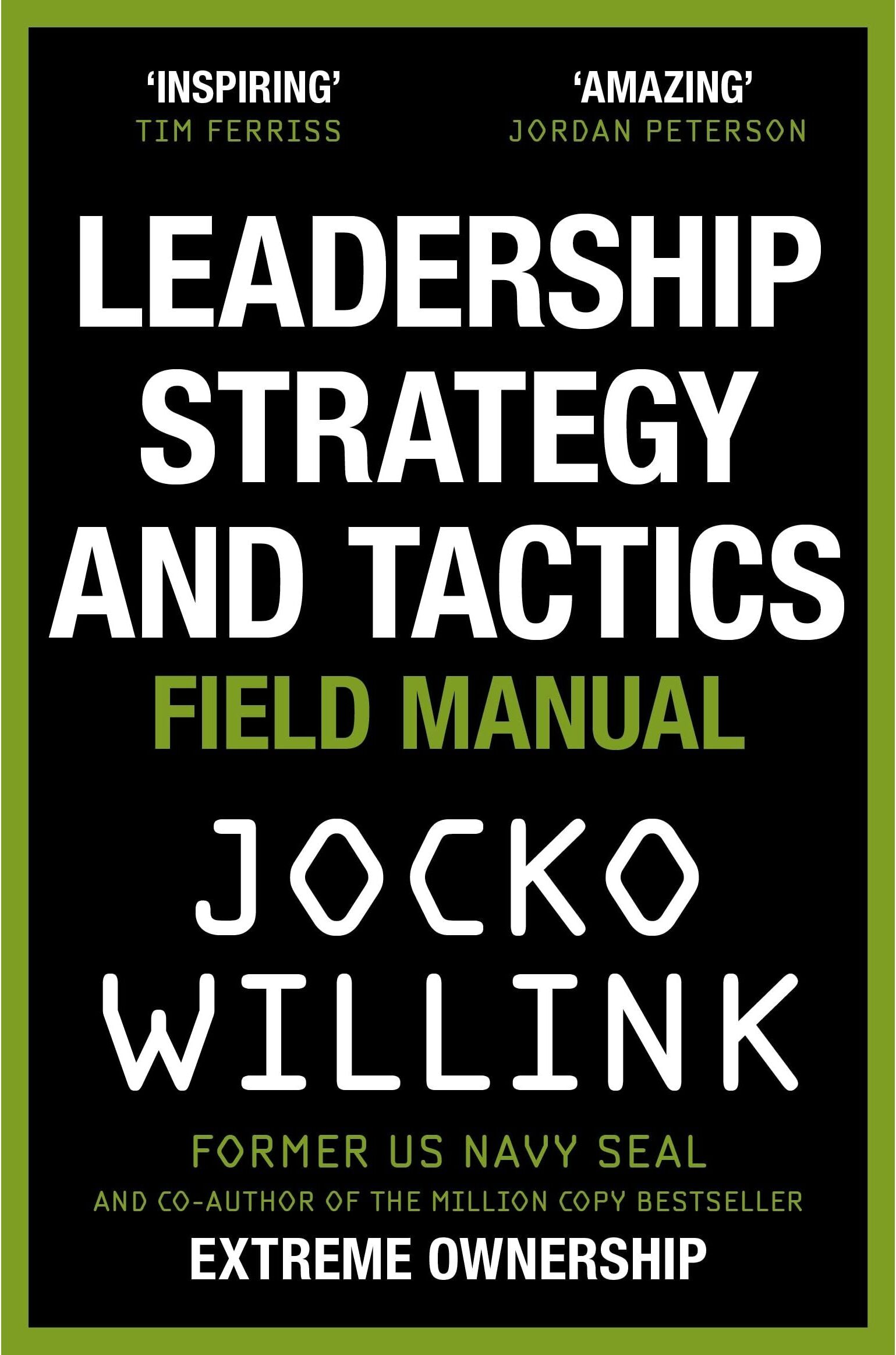
MACMILLAN Leadership Strategy and Tactics: Learn to Lead Like a Navy SEALLeadership is the most challenging of human endeavours. It is often misunderstood. It can bewilder, mystify and frustrate even the most dedicated practitioners. Leaders at all levels are often forced to use theoretical guesswork to make decisions and lead their troops. It doesn’t have to be that way. There are principles that can be applied and tenets that can be followed. There are skills that can be learned and manoeuvres that can be practised and executed. There are leadership strategies and tactics that have been tested and proven on the battlefield, in business and in life. Retired Navy SEAL Officer Jocko Willink delivers his powerful and pragmatic leadership methodology that teaches how to lead any team in any situation to victory. Here, you will learn how to: * Deal with egos and the problems they cause * Earn and build trust with both your subordinates and superiors * Instil pride in your team, without creating arrogance * Overcome challenges presented by a micromanaging, indecisive or weak boss * Create a disciplined team that regulates itself * Use leadership as a tool to teach, mentor, train and correct behaviour of team members * Operate at a maximum level of efficiency – and reap the rewards . . . and more. This book is step one towards becoming the commander of your own life. The rest is up to you.8,99 £*Shipping: 2,99 £Secure redirect to the provider
-
Wilco International LLP How to Win Friends and Influence People by Dale Carnegie Classic Self Help Book on Communication, Leadership, Confidence & Personal DevelopmentDiscover one of the world's best-known personal development books with How to Win Friends and Influence People by Dale Carnegie. First published in 1936, this enduring classic presents practical principles for communicating effectively, building positive relationships and working successfully with other people. Through memorable examples and straightforward advice, Carnegie explores how to make a positive impression, handle disagreements constructively, encourage cooperation and become a more effective communicator. The principles can be applied across everyday life, from personal relationships and social situations to business, management, sales, networking and leadership. Accessible and practical, How to Win Friends and Influence People remains popular with readers interested in improving their communication skills, confidence, interpersonal relationships and professional development. Key Features Classic personal development book by Dale Carnegie Practical principles for improving communication Explores relationships, leadership and interpersonal skills Useful for business, management, sales and networking Helps readers understand effective people skills Suitable for personal and professional development Excellent gift for entrepreneurs, managers and self-improvement readers9,99 £*Shipping: 2,99 £Secure redirect to the provider
-
What does self-observation and other-observation mean, and could you provide an example?
Self-observation refers to the act of reflecting on one's own thoughts, feelings, and behaviors. It involves being aware of oneself and monitoring one's own actions. For example, self-observation could involve noticing when you feel anxious before a presentation and identifying the thoughts that contribute to that anxiety. Other-observation, on the other hand, involves observing and understanding the thoughts, feelings, and behaviors of others. It requires empathy and the ability to put oneself in someone else's shoes. An example of other-observation could be noticing a friend's body language and tone of voice to understand that they may be feeling upset, even if they haven't explicitly said so. **
-
What does self-observation and observation of others mean, and could you provide an example?
Self-observation involves reflecting on one's own thoughts, feelings, and behaviors to gain insight into oneself. It involves being aware of one's actions and reactions in various situations. Observation of others, on the other hand, involves paying attention to how other people behave, communicate, and interact with others to understand them better. For example, self-observation could involve noticing how you react when faced with a challenging situation, such as feeling anxious or defensive. Observation of others could involve watching how a friend handles conflict resolution, which can provide insights into their communication style and problem-solving skills. Both self-observation and observation of others can help improve self-awareness and interpersonal relationships. **
-
What is non-participatory observation? What is deliberate observation? What is unintentional observation?
Non-participatory observation is when the observer remains separate from the group being observed and does not interact with them. This type of observation allows the observer to remain objective and not influence the behavior of the group. Deliberate observation is when the observer intentionally focuses on specific behaviors or aspects of the group being observed. This type of observation is often used in research to gather specific data or insights. Unintentional observation is when the observer passively notices and absorbs information about a group or situation without intentionally focusing on specific aspects. This type of observation can occur in everyday life, such as when someone casually observes the behavior of people in a public setting. **
-
Is it "during my observation day," "during my observation day," or "during my observation day"?
The correct phrase is "during my observation day." This phrase indicates that the action or event is happening at some point in time while you are observing. The use of "during" shows the relationship between the observation day and the action taking place. **
* All prices are inclusive of VAT and, if applicable, plus shipping costs. The offer information is based on the details provided by the respective shop and is updated through automated processes. Real-time updates do not occur, so deviations can occur in individual cases. ** Note: Parts of this content were created by AI.