Buy business-talent.com ?
We are moving the project
business-talent.com .
Are you interested in purchasing the domain
business-talent.com ?
domain@kv-gmbh.de · 0541-91531010
Buy business-talent.com ?
Which empire is better: the Ottoman Empire or the Byzantine Empire?
It is difficult to determine which empire is better as both the Ottoman and Byzantine Empires had their own unique strengths and weaknesses. The Byzantine Empire was known for its rich cultural and intellectual heritage, while the Ottoman Empire was known for its military prowess and expansive territorial control. The Byzantine Empire had a long and influential history, while the Ottoman Empire had a significant impact on the development of the Islamic world. Ultimately, the "better" empire depends on the criteria used to evaluate them, and both empires made important contributions to world history. **
Which empire was larger, the Alexander Empire or the Roman Empire?
The Roman Empire was larger than the Alexander Empire. At its peak, the Roman Empire covered approximately 5 million square kilometers, while the Alexander Empire, also known as the Macedonian Empire, covered around 2.2 million square kilometers. The Roman Empire's vast territory included parts of Europe, Africa, and Asia, making it one of the largest empires in history. **

Similar search terms for Empire
Top-Angebote
Products related to Empire:
-
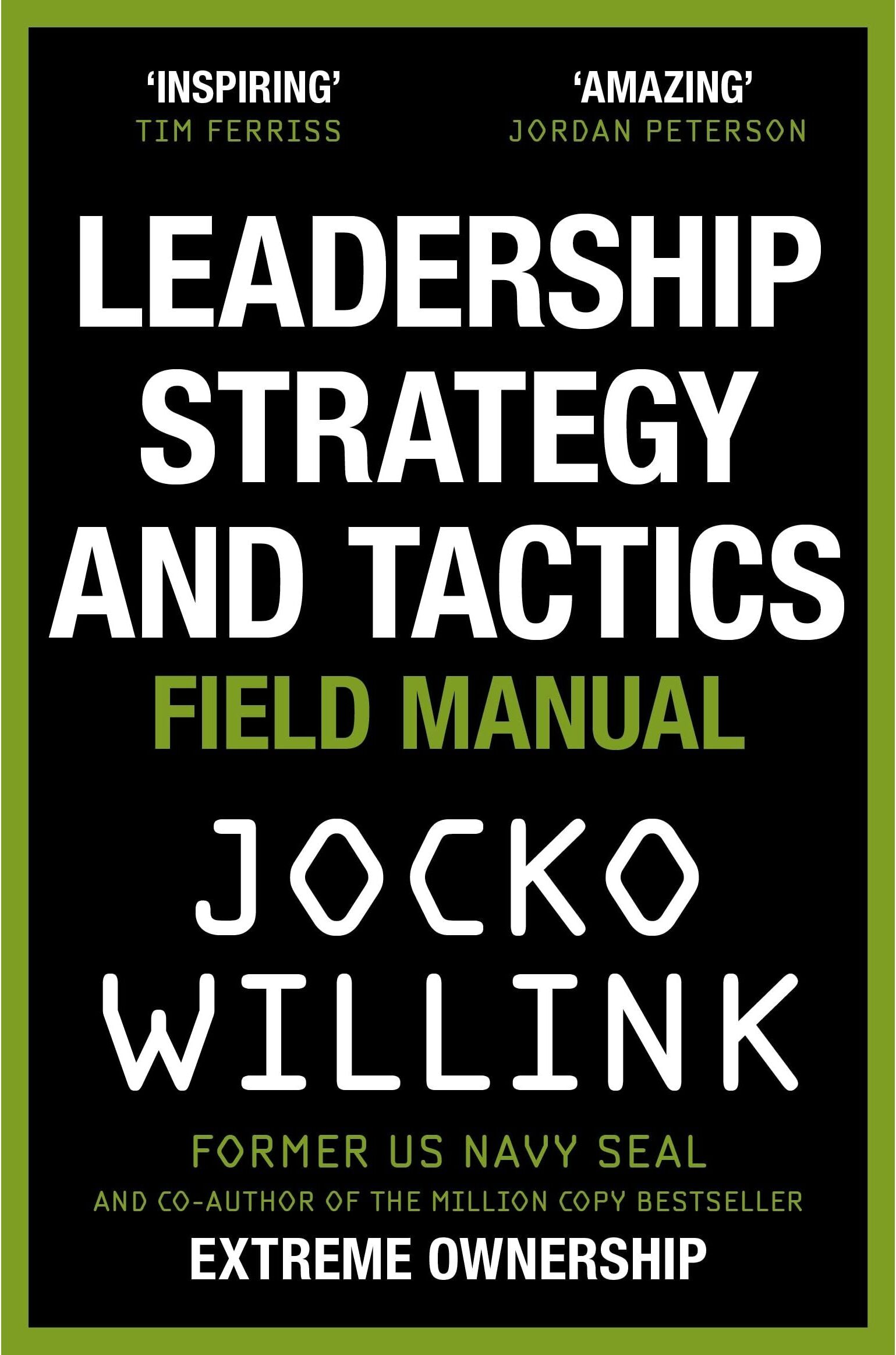
MACMILLAN Leadership Strategy and Tactics: Learn to Lead Like a Navy SEALLeadership is the most challenging of human endeavours. It is often misunderstood. It can bewilder, mystify and frustrate even the most dedicated practitioners. Leaders at all levels are often forced to use theoretical guesswork to make decisions and lead their troops. It doesn’t have to be that way. There are principles that can be applied and tenets that can be followed. There are skills that can be learned and manoeuvres that can be practised and executed. There are leadership strategies and tactics that have been tested and proven on the battlefield, in business and in life. Retired Navy SEAL Officer Jocko Willink delivers his powerful and pragmatic leadership methodology that teaches how to lead any team in any situation to victory. Here, you will learn how to: * Deal with egos and the problems they cause * Earn and build trust with both your subordinates and superiors * Instil pride in your team, without creating arrogance * Overcome challenges presented by a micromanaging, indecisive or weak boss * Create a disciplined team that regulates itself * Use leadership as a tool to teach, mentor, train and correct behaviour of team members * Operate at a maximum level of efficiency – and reap the rewards . . . and more. This book is step one towards becoming the commander of your own life. The rest is up to you.8,99 £*Shipping: 2,99 £Secure redirect to the provider
-
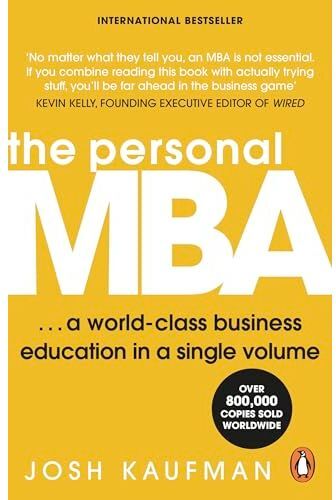
Penguin The Personal MBA: The bestselling business book containing you everything you need to know about marketing, management and leadershipARE YOU TEMPTED TO GO TO BUSINESS SCHOOL? SAVE YOUR MONEY AND READ THE PERSONAL MBA INSTEAD. This bestselling business classic gives you everything you need to transform your business and your career. An MBA at a top business school is an enormous investment in time and cash. And if you don't want to work for a consulting firm or an investment bank, the chances are it simply isn't worth it. The Personal MBA gives you simple mental models for every subject that's key to commercial success. From the basics of products and marketing to the nuances of teamwork and systems, this book distils everything you need to know to take on the MBA graduates and win.10,99 £*Shipping: 2,99 £Secure redirect to the provider
-
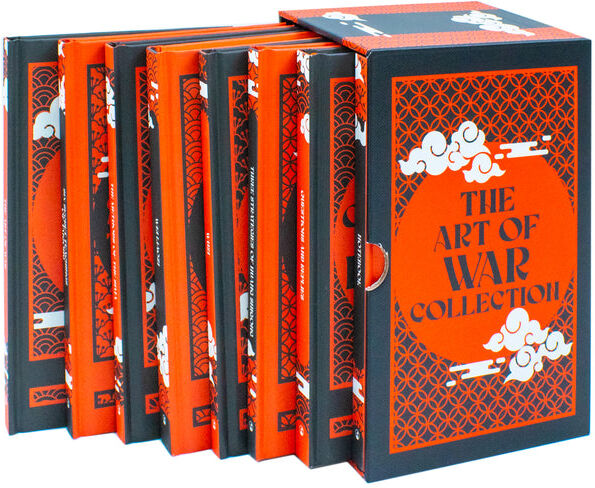
Classic Editions The Complete Art of War – 8 Book Hardback Box Set Sun Tzu & Ancient Chinese Military Strategy Classics Leadership, Warfare & Strategy CollectionExplore centuries of strategic thinking with The Complete Art of War – 8 Books Collection Hardback Box Set, an impressive collection of classical Chinese writings on warfare, leadership, tactics and strategy. Bringing together influential works from ancient Chinese military thought, this hardback collection includes titles such as The Art of War, Methods of the Sima, Wuzi, Wei Liaozi, Three Strategies of Huang Shigong, and Six Secret Teachings of Taigong, alongside additional works included in the eight-volume set. These enduring texts examine subjects including leadership, planning, discipline, intelligence, diplomacy, battlefield tactics and strategic decision-making. Although written in the context of ancient warfare, many of their principles have subsequently attracted readers interested in history, leadership and strategic thinking. Presented as an 8-volume hardback boxed collection, the set is ideal for readers of military history, students of classical philosophy and collectors of beautifully presented classic works. Why Readers Will Love This Collection Includes 8 hardback volumes in a collectible box set Features influential works of ancient Chinese military strategy Explores strategy, leadership, tactics and decision-making Excellent addition to military history and philosophy collections Attractive hardback format for a home or study library Ideal gift for history, strategy and classic literature enthusiasts The Complete Art of War 8 Book Collection brings together some of history's most enduring works on strategy in one impressive hardback set. Titles In This Set: Notebook Questions and Replies Three Strategies of Huang Shigong Wuzi Wei Liaozi The Methods of The Sima Six Secret Teachings of Taigong The Art of War16,99 £*Shipping: 2,99 £Secure redirect to the provider

-
What is the difference between entrepreneurship, business administration, and international management?
Entrepreneurship focuses on identifying and pursuing opportunities to create new ventures or innovate within existing organizations. Business administration involves the management and operation of a business, including functions such as finance, marketing, and human resources. International management, on the other hand, deals with the challenges and opportunities of managing businesses that operate across different countries and cultures, requiring a deep understanding of global markets and international business practices. Each field has its unique focus and skill set, but they are all interconnected and essential for successful business operations in today's global economy. **
-
Why was the Tsarist Empire an empire?
The Tsarist Empire was an empire because it was a vast and multi-ethnic state ruled by an autocratic monarch, the Tsar. It encompassed a diverse range of territories, including present-day Russia, Ukraine, Belarus, and parts of Poland, Finland, and the Caucasus. The Tsarist Empire also had a strong centralized government and a powerful military, which allowed it to expand and maintain control over its vast territories. Additionally, the empire had a hierarchical social structure with the Tsar at the top, and it exerted influence and control over the various ethnic and cultural groups within its borders. **
-
Why was the Russian Empire an empire?
The Russian Empire was an empire because it was a vast multi-ethnic state that encompassed a large territory spanning Eastern Europe and Northern Asia. It was ruled by an autocratic monarch, the Tsar, who held absolute power over the government and its subjects. The empire expanded through conquest and colonization, incorporating various ethnic groups and territories into its domain. Additionally, the Russian Empire had a strong military, a centralized administration, and a hierarchical social structure that reinforced its imperial control over its diverse population. **
-
Why is the Chinese Empire called the Empire?
The Chinese Empire is called an empire because it was a vast and powerful state that was ruled by an emperor. The emperor held absolute authority over the territory and its people, making it a centralized and hierarchical political system. The Chinese Empire also had a well-defined bureaucracy, a strong military, and a system of governance that extended over a large geographical area, further solidifying its status as an empire. **


Was the Roman Empire like the German Empire?
The Roman Empire and the German Empire were different in many ways. The Roman Empire was an ancient civilization that existed from around 27 BC to 476 AD, while the German Empire was a modern nation-state that existed from 1871 to 1918. The Roman Empire was known for its vast territorial expansion and diverse cultural influences, while the German Empire was known for its industrialization and militarization. Additionally, the Roman Empire was a republic before becoming an empire, while the German Empire was a monarchy. Overall, the two empires had different historical contexts, political structures, and societal impacts. **
Could the Byzantine Empire have restored the Roman Empire?
The Byzantine Empire, also known as the Eastern Roman Empire, was a continuation of the Roman Empire in the east. While the Byzantine Empire did manage to preserve many aspects of Roman culture and institutions, it faced numerous challenges that made restoring the Roman Empire in its entirety unlikely. The Western Roman Empire had already collapsed by the time the Byzantine Empire reached its height, and the Byzantines faced constant threats from external invasions, internal strife, and economic difficulties. Additionally, the Byzantine Empire had a different cultural and religious identity than the Western Roman Empire, making a full restoration of the Roman Empire under Byzantine rule improbable. **
Top-Angebote
Products related to Empire:
-
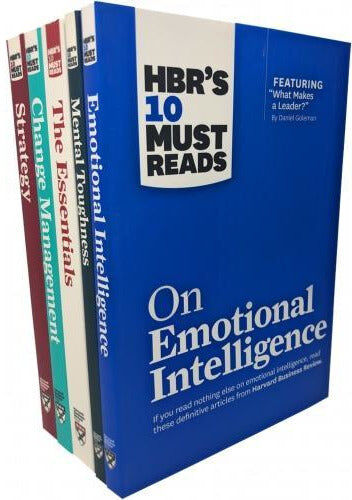
Harvard Business Review Press Harvard Business Review HBR’s 10 Must Reads 5 Book Collection Set – Essential Business, Leadership & Management GuidesHBR's 10 Must Reads 5 Books Collection Set Description On Emotional Intelligence If you read nothing else on emotional intelligence; read these 10 articles by experts in the field. We euro; ve combed through hundreds of articles in the Harvard Business Review archive and selected the most important ones to help you boost your emotional skills euro; and your professional success. Mental Toughness If you read nothing else on mental toughness; read these ten articles by experts in the field. We've combed through hundreds of articles in the Harvard Business Review archive and selected the most important ones to help you build your emotional strength and resilience--and to achieve high performance. The Essentials Change is the one constant in business; and we must adapt or face obsolescence. Yet certain challenges never go away. That's what makes this book 'must read.' These are the 10 seminal articles by management's most influential experts; on topics of perennial concern to ambitious managers and leaders hungry for inspiration--and ready to run with big ideas to accelerate their own and their companies' success. Change Management If you read nothing else on change management; read these 10 articles (featuring 'Leading Change; euro; by John P. Kotter). We've combed through hundreds of Harvard Business Review articles and selected the most important ones to help you spearhead change in your organization. Strategy If you read nothing else on strategy; read these 10 articles (featuring 'What Is Strategy? euro; by Michael E. Porter). We've combed through hundreds of Harvard Business Review articles and selected the most important ones to help you catalyze your organization's strategy development and execution.37,98 £*Shipping: 0,00 £Secure redirect to the provider
-
MACMILLAN Leadership Strategy and Tactics: Learn to Lead Like a Navy SEALLeadership is the most challenging of human endeavours. It is often misunderstood. It can bewilder, mystify and frustrate even the most dedicated practitioners. Leaders at all levels are often forced to use theoretical guesswork to make decisions and lead their troops. It doesn’t have to be that way. There are principles that can be applied and tenets that can be followed. There are skills that can be learned and manoeuvres that can be practised and executed. There are leadership strategies and tactics that have been tested and proven on the battlefield, in business and in life. Retired Navy SEAL Officer Jocko Willink delivers his powerful and pragmatic leadership methodology that teaches how to lead any team in any situation to victory. Here, you will learn how to: * Deal with egos and the problems they cause * Earn and build trust with both your subordinates and superiors * Instil pride in your team, without creating arrogance * Overcome challenges presented by a micromanaging, indecisive or weak boss * Create a disciplined team that regulates itself * Use leadership as a tool to teach, mentor, train and correct behaviour of team members * Operate at a maximum level of efficiency – and reap the rewards . . . and more. This book is step one towards becoming the commander of your own life. The rest is up to you.8,99 £*Shipping: 2,99 £Secure redirect to the provider
-
Which empire is better: the Ottoman Empire or the Byzantine Empire?
It is difficult to determine which empire is better as both the Ottoman and Byzantine Empires had their own unique strengths and weaknesses. The Byzantine Empire was known for its rich cultural and intellectual heritage, while the Ottoman Empire was known for its military prowess and expansive territorial control. The Byzantine Empire had a long and influential history, while the Ottoman Empire had a significant impact on the development of the Islamic world. Ultimately, the "better" empire depends on the criteria used to evaluate them, and both empires made important contributions to world history. **
-
Which empire was larger, the Alexander Empire or the Roman Empire?
The Roman Empire was larger than the Alexander Empire. At its peak, the Roman Empire covered approximately 5 million square kilometers, while the Alexander Empire, also known as the Macedonian Empire, covered around 2.2 million square kilometers. The Roman Empire's vast territory included parts of Europe, Africa, and Asia, making it one of the largest empires in history. **
-
What is the difference between entrepreneurship, business administration, and international management?
Entrepreneurship focuses on identifying and pursuing opportunities to create new ventures or innovate within existing organizations. Business administration involves the management and operation of a business, including functions such as finance, marketing, and human resources. International management, on the other hand, deals with the challenges and opportunities of managing businesses that operate across different countries and cultures, requiring a deep understanding of global markets and international business practices. Each field has its unique focus and skill set, but they are all interconnected and essential for successful business operations in today's global economy. **
-
Why was the Tsarist Empire an empire?
The Tsarist Empire was an empire because it was a vast and multi-ethnic state ruled by an autocratic monarch, the Tsar. It encompassed a diverse range of territories, including present-day Russia, Ukraine, Belarus, and parts of Poland, Finland, and the Caucasus. The Tsarist Empire also had a strong centralized government and a powerful military, which allowed it to expand and maintain control over its vast territories. Additionally, the empire had a hierarchical social structure with the Tsar at the top, and it exerted influence and control over the various ethnic and cultural groups within its borders. **
Similar search terms for Empire
-
Penguin The Personal MBA: The bestselling business book containing you everything you need to know about marketing, management and leadershipARE YOU TEMPTED TO GO TO BUSINESS SCHOOL? SAVE YOUR MONEY AND READ THE PERSONAL MBA INSTEAD. This bestselling business classic gives you everything you need to transform your business and your career. An MBA at a top business school is an enormous investment in time and cash. And if you don't want to work for a consulting firm or an investment bank, the chances are it simply isn't worth it. The Personal MBA gives you simple mental models for every subject that's key to commercial success. From the basics of products and marketing to the nuances of teamwork and systems, this book distils everything you need to know to take on the MBA graduates and win.10,99 £*Shipping: 2,99 £Secure redirect to the provider
-
Classic Editions The Complete Art of War – 8 Book Hardback Box Set Sun Tzu & Ancient Chinese Military Strategy Classics Leadership, Warfare & Strategy CollectionExplore centuries of strategic thinking with The Complete Art of War – 8 Books Collection Hardback Box Set, an impressive collection of classical Chinese writings on warfare, leadership, tactics and strategy. Bringing together influential works from ancient Chinese military thought, this hardback collection includes titles such as The Art of War, Methods of the Sima, Wuzi, Wei Liaozi, Three Strategies of Huang Shigong, and Six Secret Teachings of Taigong, alongside additional works included in the eight-volume set. These enduring texts examine subjects including leadership, planning, discipline, intelligence, diplomacy, battlefield tactics and strategic decision-making. Although written in the context of ancient warfare, many of their principles have subsequently attracted readers interested in history, leadership and strategic thinking. Presented as an 8-volume hardback boxed collection, the set is ideal for readers of military history, students of classical philosophy and collectors of beautifully presented classic works. Why Readers Will Love This Collection Includes 8 hardback volumes in a collectible box set Features influential works of ancient Chinese military strategy Explores strategy, leadership, tactics and decision-making Excellent addition to military history and philosophy collections Attractive hardback format for a home or study library Ideal gift for history, strategy and classic literature enthusiasts The Complete Art of War 8 Book Collection brings together some of history's most enduring works on strategy in one impressive hardback set. Titles In This Set: Notebook Questions and Replies Three Strategies of Huang Shigong Wuzi Wei Liaozi The Methods of The Sima Six Secret Teachings of Taigong The Art of War16,99 £*Shipping: 2,99 £Secure redirect to the provider
-
Nourison Persian Empire PE22 Area RugDiscover a collection of area rugs inspired by the signature designs of the finest traditional Persian carpets. Beautifully intricate patterns that reflect the creativity and originality of the world's most admired rug-making tradition.571,99 $*Shipping: 0,00 $Secure redirect to the provider
-
KitchenAid Indoor Grilling Set – Empire RedThis KitchenAid 3pc Indoor Grilling Set includes a fish slice, an indoor turner and tongs, all crafted in durable stainless steel. Use them to stir, turn and lift foods with ease. The ergonomic, well-balanced handles are designed for comfort and smooth operation. Each piece is dishwasher-safe for easy cleanup. KitchenAid43,31 £*Shipping: 4,99 £Secure redirect to the provider
-
Why was the Russian Empire an empire?
The Russian Empire was an empire because it was a vast multi-ethnic state that encompassed a large territory spanning Eastern Europe and Northern Asia. It was ruled by an autocratic monarch, the Tsar, who held absolute power over the government and its subjects. The empire expanded through conquest and colonization, incorporating various ethnic groups and territories into its domain. Additionally, the Russian Empire had a strong military, a centralized administration, and a hierarchical social structure that reinforced its imperial control over its diverse population. **
-
Why is the Chinese Empire called the Empire?
The Chinese Empire is called an empire because it was a vast and powerful state that was ruled by an emperor. The emperor held absolute authority over the territory and its people, making it a centralized and hierarchical political system. The Chinese Empire also had a well-defined bureaucracy, a strong military, and a system of governance that extended over a large geographical area, further solidifying its status as an empire. **
-
Was the Roman Empire like the German Empire?
The Roman Empire and the German Empire were different in many ways. The Roman Empire was an ancient civilization that existed from around 27 BC to 476 AD, while the German Empire was a modern nation-state that existed from 1871 to 1918. The Roman Empire was known for its vast territorial expansion and diverse cultural influences, while the German Empire was known for its industrialization and militarization. Additionally, the Roman Empire was a republic before becoming an empire, while the German Empire was a monarchy. Overall, the two empires had different historical contexts, political structures, and societal impacts. **
-
Could the Byzantine Empire have restored the Roman Empire?
The Byzantine Empire, also known as the Eastern Roman Empire, was a continuation of the Roman Empire in the east. While the Byzantine Empire did manage to preserve many aspects of Roman culture and institutions, it faced numerous challenges that made restoring the Roman Empire in its entirety unlikely. The Western Roman Empire had already collapsed by the time the Byzantine Empire reached its height, and the Byzantines faced constant threats from external invasions, internal strife, and economic difficulties. Additionally, the Byzantine Empire had a different cultural and religious identity than the Western Roman Empire, making a full restoration of the Roman Empire under Byzantine rule improbable. **
* All prices are inclusive of VAT and, if applicable, plus shipping costs. The offer information is based on the details provided by the respective shop and is updated through automated processes. Real-time updates do not occur, so deviations can occur in individual cases. ** Note: Parts of this content were created by AI.