Buy business-talent.com ?
We are moving the project
business-talent.com .
Are you interested in purchasing the domain
business-talent.com ?
domain@kv-gmbh.de · 0541-91531010
Buy business-talent.com ?
What is the difference between entrepreneurship, business administration, and international management?
Entrepreneurship focuses on identifying and pursuing opportunities to create new ventures or innovate within existing organizations. Business administration involves the management and operation of a business, including functions such as finance, marketing, and human resources. International management, on the other hand, deals with the challenges and opportunities of managing businesses that operate across different countries and cultures, requiring a deep understanding of global markets and international business practices. Each field has its unique focus and skill set, but they are all interconnected and essential for successful business operations in today's global economy. **
Which rules?
The rules that govern our behavior, interactions, and decisions in various aspects of life. These rules can be societal norms, laws, regulations, or guidelines set by organizations or institutions. Adhering to these rules helps maintain order, promote fairness, and ensure the well-being of individuals and society as a whole. It is important to understand and follow these rules to contribute positively to our communities and environments. **

Similar search terms for Rules
Top-Angebote
Products related to Rules:
-
Laural Home Lake Rules ComforterWarm up on chilly nights with this Laural Home Lake Rules Comforter. This comforter is made of cotton and is available in twin, queen or king. It has a blue, brown, red, and white color scheme with a reversible color side.127,74 $*Shipping: 0,00 $Secure redirect to the provider


-
What are rules?
Rules are guidelines or instructions that dictate how individuals should behave or act in a particular situation or setting. They are put in place to maintain order, ensure fairness, and promote safety. Rules can be formal, such as laws or regulations, or informal, like social norms or etiquette. Following rules is important for creating a harmonious and functional society. **
-
What are Sigma rules?
Sigma rules are a set of guidelines and best practices used in the field of cybersecurity to help organizations detect and respond to security threats. These rules are written in the Sigma language, which is a standardized format for expressing detection logic. By following Sigma rules, organizations can create and implement detection mechanisms that are consistent, efficient, and effective in identifying potential security incidents. Sigma rules are designed to be easily shared and used across different security tools and platforms, making them a valuable resource for improving overall cybersecurity posture. **
-
What are class rules?
Class rules are guidelines that establish expectations for behavior and conduct within a classroom setting. These rules are typically set by the teacher and are designed to create a positive and productive learning environment for all students. Class rules often cover areas such as respect for others, participation, and academic integrity. By following class rules, students can contribute to a harmonious and focused classroom atmosphere. **
-
Why are there rules?
Rules are put in place to create order, maintain safety, and promote fairness in various aspects of society. They help to establish boundaries and expectations for behavior, ensuring that individuals know what is acceptable and what is not. Rules also serve to protect the rights and well-being of individuals and prevent chaos or harm. Overall, rules are necessary for the functioning of a structured and organized society. **


What are rules for?
Rules are put in place to provide structure, order, and guidance in various aspects of life. They help to establish boundaries, maintain safety, and promote fairness and equality. Rules also serve to regulate behavior, prevent chaos, and ensure that individuals can coexist harmoniously within a society or organization. Ultimately, rules are designed to create a framework for people to follow, enabling them to understand expectations and navigate interactions effectively. **
Who rules the world?
There is no single entity or individual that rules the world. Power and influence are distributed among various countries, organizations, and individuals. The world is governed by a complex system of international relations, treaties, and agreements, with different actors playing different roles in shaping global events and decisions. Ultimately, the world is a dynamic and interconnected system where power is constantly shifting and evolving. **
Top-Angebote
Products related to Rules:
-
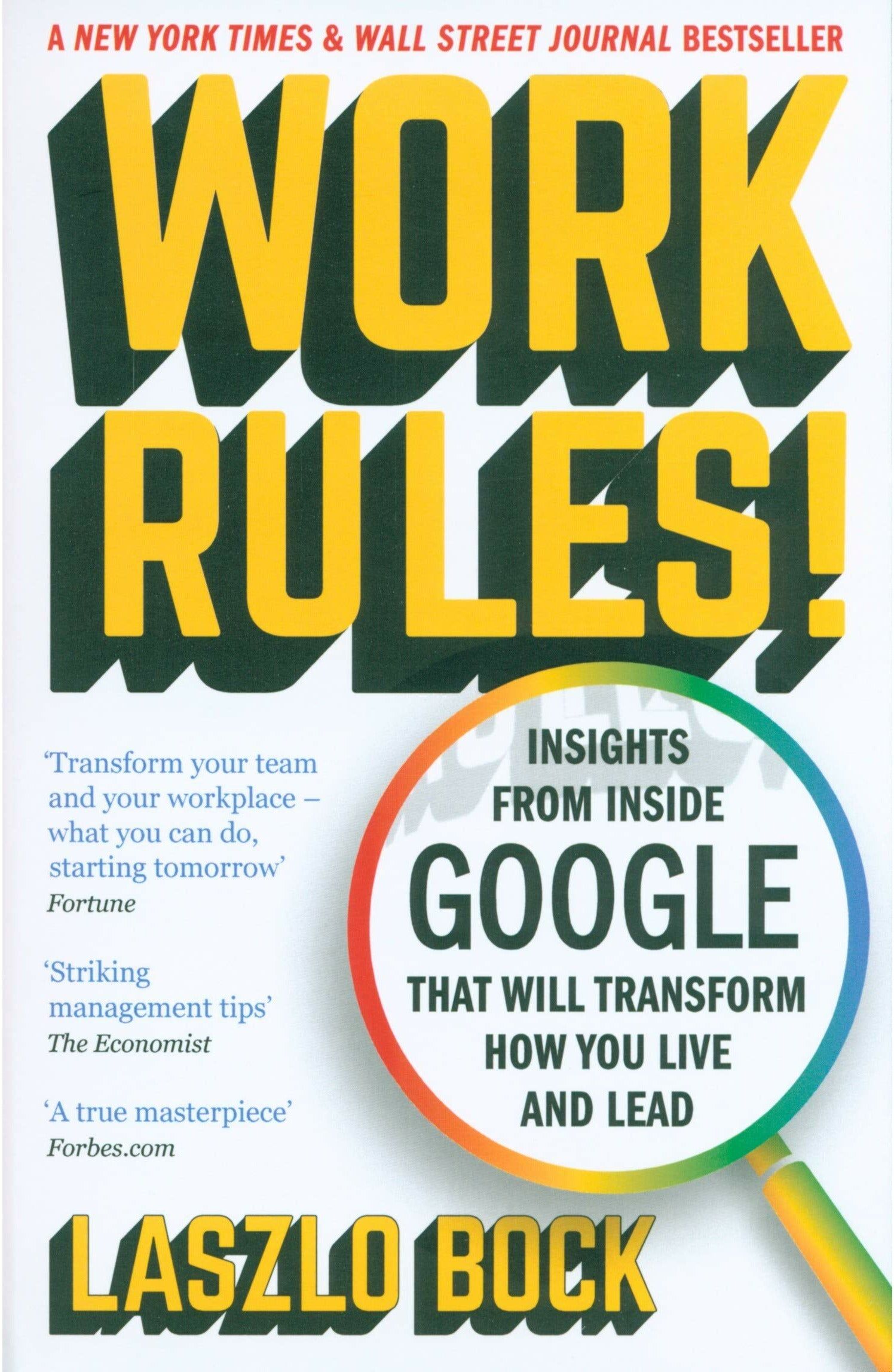
John Murray Work Rules! by Laszlo Bock – Insights from Google on Leadership & Workplace SuccessWork Rules!: Insights from Inside Google That Will Transform How You Live and Lead by Laszlo Bock 'Every year, 2 million people apply for a job at Google - so what's the secret?' Guardian A compelling manifesto with the potential to change how we work and live, Work Rules! offers both a philosophy of the new world of work and a blueprint for attracting the most spectacular talent and ensuring the brightest and best prosper. The way we work is changing - are you?1,99 £*Shipping: 1,99 £Secure redirect to the provider
-
Harvard Business Review Press Harvard Business Review HBR’s 10 Must Reads 5 Book Collection Set – Essential Business, Leadership & Management GuidesHBR's 10 Must Reads 5 Books Collection Set Description On Emotional Intelligence If you read nothing else on emotional intelligence; read these 10 articles by experts in the field. We euro; ve combed through hundreds of articles in the Harvard Business Review archive and selected the most important ones to help you boost your emotional skills euro; and your professional success. Mental Toughness If you read nothing else on mental toughness; read these ten articles by experts in the field. We've combed through hundreds of articles in the Harvard Business Review archive and selected the most important ones to help you build your emotional strength and resilience--and to achieve high performance. The Essentials Change is the one constant in business; and we must adapt or face obsolescence. Yet certain challenges never go away. That's what makes this book 'must read.' These are the 10 seminal articles by management's most influential experts; on topics of perennial concern to ambitious managers and leaders hungry for inspiration--and ready to run with big ideas to accelerate their own and their companies' success. Change Management If you read nothing else on change management; read these 10 articles (featuring 'Leading Change; euro; by John P. Kotter). We've combed through hundreds of Harvard Business Review articles and selected the most important ones to help you spearhead change in your organization. Strategy If you read nothing else on strategy; read these 10 articles (featuring 'What Is Strategy? euro; by Michael E. Porter). We've combed through hundreds of Harvard Business Review articles and selected the most important ones to help you catalyze your organization's strategy development and execution.37,98 £*Shipping: 0,00 £Secure redirect to the provider
-
Laural Home Lake Rules ComforterWarm up on chilly nights with this Laural Home Lake Rules Comforter. This comforter is made of cotton and is available in twin, queen or king. It has a blue, brown, red, and white color scheme with a reversible color side.127,74 $*Shipping: 0,00 $Secure redirect to the provider
-
What is the difference between entrepreneurship, business administration, and international management?
Entrepreneurship focuses on identifying and pursuing opportunities to create new ventures or innovate within existing organizations. Business administration involves the management and operation of a business, including functions such as finance, marketing, and human resources. International management, on the other hand, deals with the challenges and opportunities of managing businesses that operate across different countries and cultures, requiring a deep understanding of global markets and international business practices. Each field has its unique focus and skill set, but they are all interconnected and essential for successful business operations in today's global economy. **
-
Which rules?
The rules that govern our behavior, interactions, and decisions in various aspects of life. These rules can be societal norms, laws, regulations, or guidelines set by organizations or institutions. Adhering to these rules helps maintain order, promote fairness, and ensure the well-being of individuals and society as a whole. It is important to understand and follow these rules to contribute positively to our communities and environments. **
-
What are rules?
Rules are guidelines or instructions that dictate how individuals should behave or act in a particular situation or setting. They are put in place to maintain order, ensure fairness, and promote safety. Rules can be formal, such as laws or regulations, or informal, like social norms or etiquette. Following rules is important for creating a harmonious and functional society. **
-
What are Sigma rules?
Sigma rules are a set of guidelines and best practices used in the field of cybersecurity to help organizations detect and respond to security threats. These rules are written in the Sigma language, which is a standardized format for expressing detection logic. By following Sigma rules, organizations can create and implement detection mechanisms that are consistent, efficient, and effective in identifying potential security incidents. Sigma rules are designed to be easily shared and used across different security tools and platforms, making them a valuable resource for improving overall cybersecurity posture. **
Similar search terms for Rules
-
What are class rules?
Class rules are guidelines that establish expectations for behavior and conduct within a classroom setting. These rules are typically set by the teacher and are designed to create a positive and productive learning environment for all students. Class rules often cover areas such as respect for others, participation, and academic integrity. By following class rules, students can contribute to a harmonious and focused classroom atmosphere. **
-
Why are there rules?
Rules are put in place to create order, maintain safety, and promote fairness in various aspects of society. They help to establish boundaries and expectations for behavior, ensuring that individuals know what is acceptable and what is not. Rules also serve to protect the rights and well-being of individuals and prevent chaos or harm. Overall, rules are necessary for the functioning of a structured and organized society. **
-
What are rules for?
Rules are put in place to provide structure, order, and guidance in various aspects of life. They help to establish boundaries, maintain safety, and promote fairness and equality. Rules also serve to regulate behavior, prevent chaos, and ensure that individuals can coexist harmoniously within a society or organization. Ultimately, rules are designed to create a framework for people to follow, enabling them to understand expectations and navigate interactions effectively. **
-
Who rules the world?
There is no single entity or individual that rules the world. Power and influence are distributed among various countries, organizations, and individuals. The world is governed by a complex system of international relations, treaties, and agreements, with different actors playing different roles in shaping global events and decisions. Ultimately, the world is a dynamic and interconnected system where power is constantly shifting and evolving. **
* All prices are inclusive of VAT and, if applicable, plus shipping costs. The offer information is based on the details provided by the respective shop and is updated through automated processes. Real-time updates do not occur, so deviations can occur in individual cases. ** Note: Parts of this content were created by AI.